Retinitis Pigmentosa: Symptoms, Treatments, and the Search for a Cure
If you or a loved one has noticed increasing difficulty seeing in dim light or navigating in the dark, it’s worth understanding a condition called retinitis pigmentosa, or RP. While RP often begins in childhood, its effects can become more pronounced with age, making it a topic worth knowing about for seniors and their families alike.
What is RP?
Retinitis pigmentosa is a genetic eye condition that gradually affects the retina, the light-sensitive tissue at the back of the eye. RP damages rod cells first — the cells responsible for helping us see in low light. As these cells decline, the cone cells that give us color vision are affected too, since rods normally help protect them. The good news: total blindness is not the typical outcome, though vision loss does progress over time, at a pace that varies from person to person.
The first noticeable symptom is usually trouble seeing at night or adjusting to dim rooms, followed by a narrowing of side (peripheral) vision — sometimes called “tunnel vision.” Central vision loss tends to come later. If you’re experiencing these changes, a conversation with your eye doctor is a good next step.
Managing Vision Loss
While there’s currently no cure for RP, there are meaningful ways to manage it:
- Regular eye exams help track changes and catch related conditions like cataracts early.
- Nutritional support, such as Vitamin A, lutein, or fish oil, may help slow progression for some patients — though this should always be discussed with a doctor, since too much Vitamin A can affect the liver.
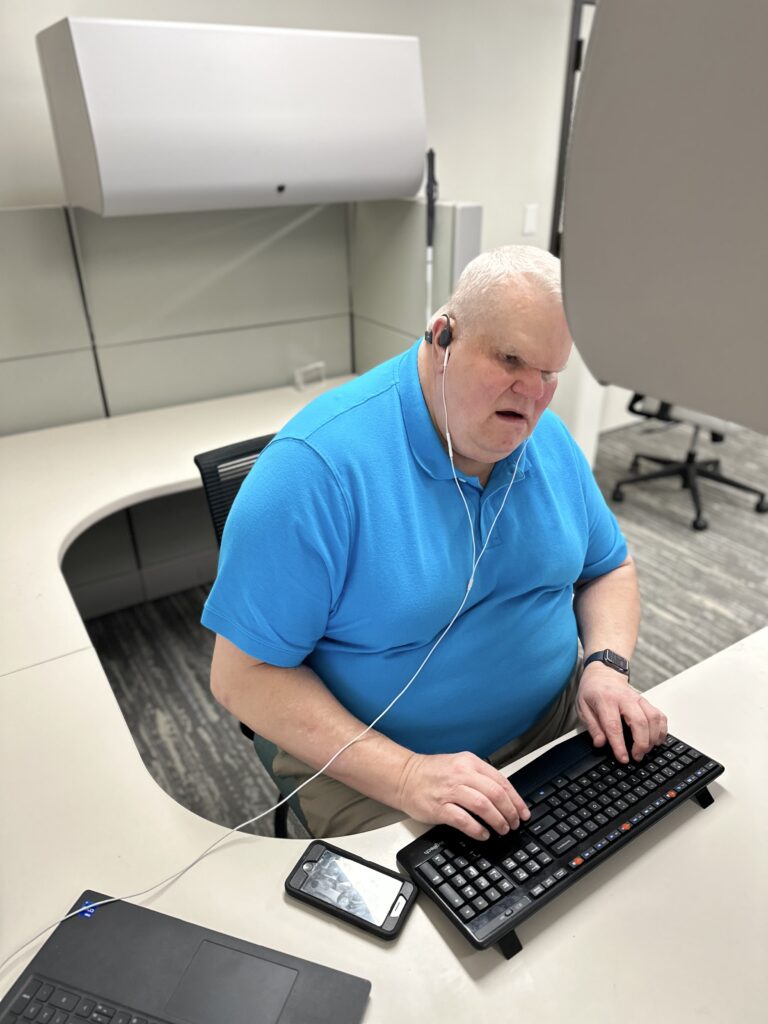
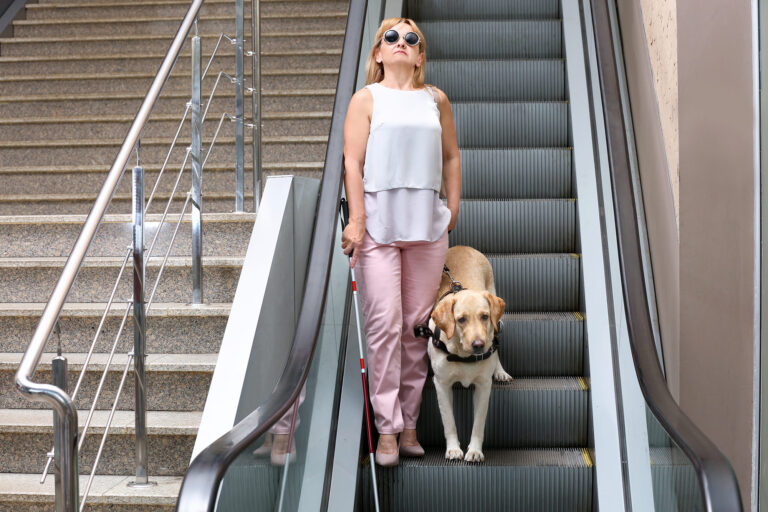
- Vision rehabilitation services — including occupational therapy, orientation and mobility training, and assistive technology — can make a real difference in maintaining independence as vision changes.
Research into RP has entered an exciting phase. The FDA has approved a gene therapy for a specific form of RP linked to the RPE65 gene, showing benefit in roughly 30 to 50 percent of recipients — with the best outcomes seen in those treated earliest. Because RP can stem from more than 100 different gene mutations, this therapy isn’t a fit for everyone, but it represents real progress. Additional therapies — including treatments for X-linked RP, cellular transplants, and oral medications — are currently in clinical trials here in the U.S. and abroad.
You’re Not Alone
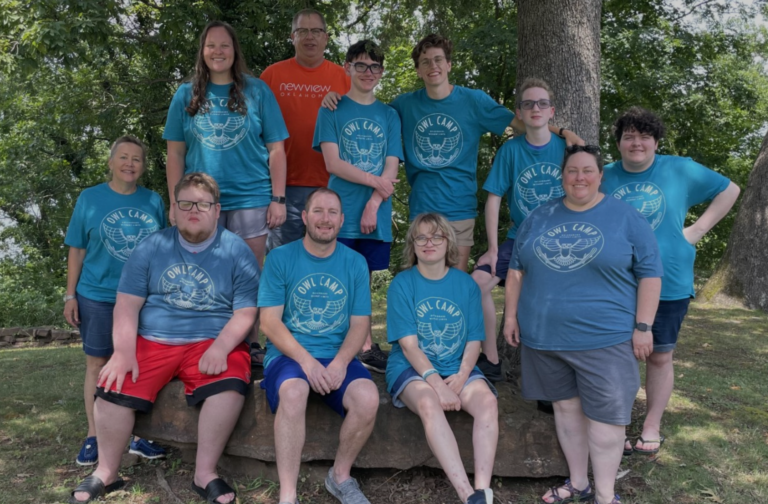
A diagnosis of retinitis pigmentosa can feel overwhelming, but living well with vision loss is absolutely possible — and you don’t have to figure it out by yourself. NewView Oklahoma helps people with RP and other vision conditions build the skills and confidence to stay independent, whether that means learning to navigate safely, adapting daily tasks, or connecting with assistive technology that fits your life.
Take the next step today. Contact NewView Oklahoma to schedule a vision rehabilitation consultation and find out what support is available to you or your loved one. Our team is here to help you make the most of the vision you have — at every stage.
It’s not what you can see, it’s what you can be.
Are you or a loved one suffering from vision loss?
Fill out this form, and we will get back with you.