Braille: The Language of Touch
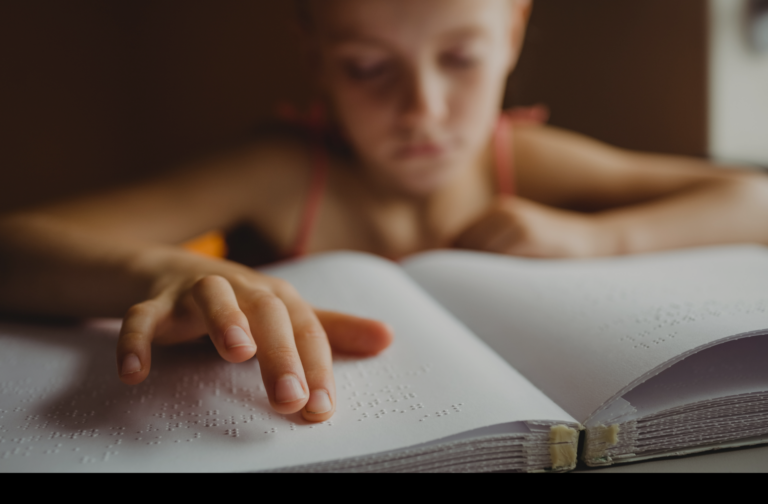
Nearly two centuries after its invention, braille remains one of the most important tools for literacy, independence, and opportunity that people who are blind or have low vision can access. Yet many sighted people know almost nothing about how it works, who created it, or how much has changed in the way braille is taught, produced, and used today.
A Brief History
Braille was invented in the 1820s by Louis Braille, a Frenchman who lost his sight in childhood after an accident in his father’s workshop. As a student at the Royal Institute for Blind Youth in Paris, Louis was introduced to a raised-dot military code called “night writing” created by Charles Barbier for soldiers to pass messages silently in the dark.
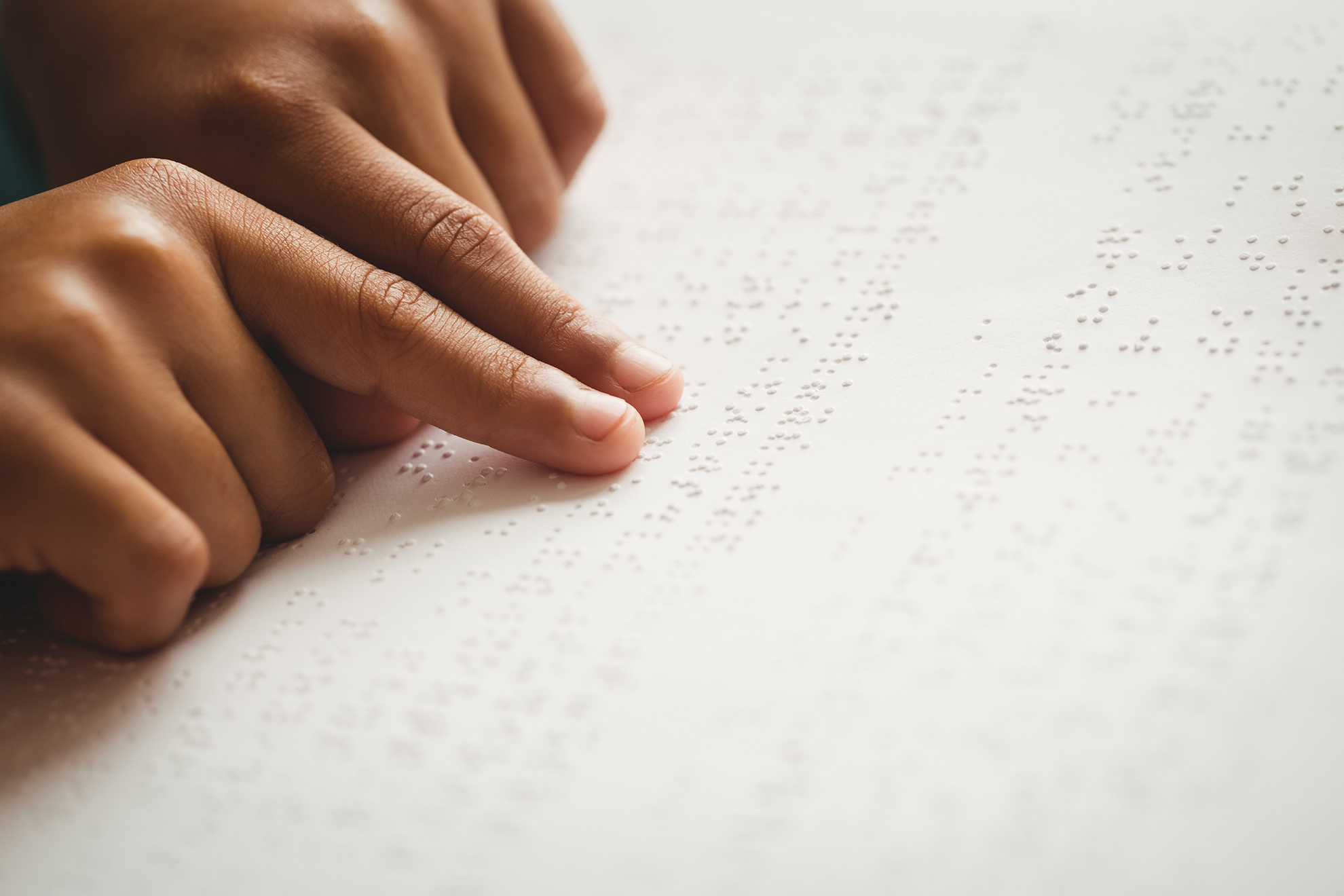
Louis saw potential in the idea but recognized its flaws. By the time he was just 15 years old, he had refined it into a simplified system: a 6-dot cell that could represent letters, numbers, and punctuation through different combinations of raised dots, read with the fingertips. He continued developing the system throughout his short life, and though it wasn’t widely adopted until after his death in 1852, braille eventually spread across the world and was adapted for dozens of languages, as well as music and mathematical notation.
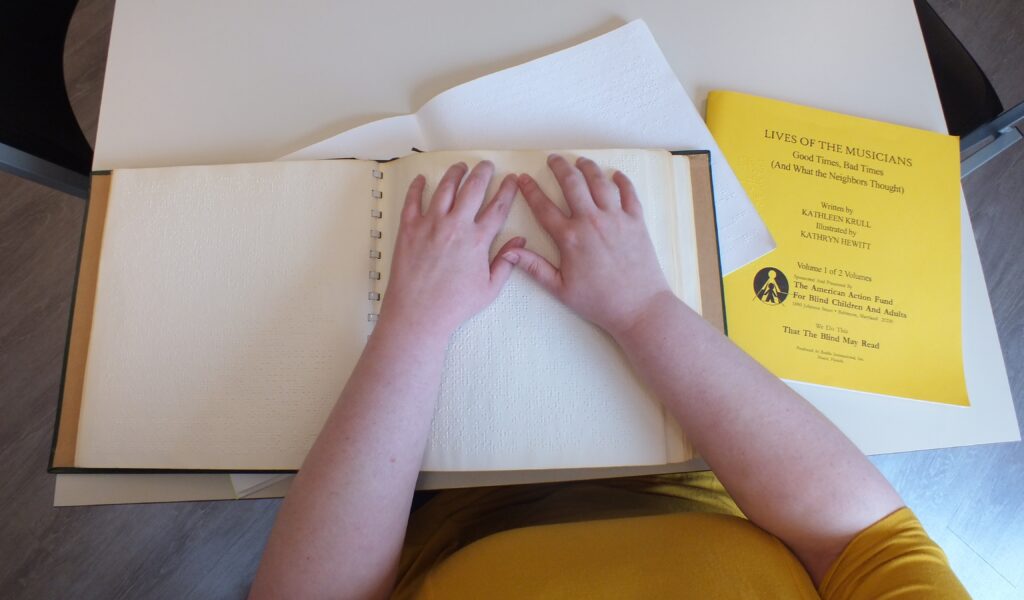
What made Louis Braille’s system so revolutionary wasn’t just that it worked, it gave people who are blind a way to read and write independently, rather than relying on others to read aloud to them.
Why it Matters
In an age of audiobooks, screen readers, and AI voice assistants, some people assume braille has become less necessary. In reality, braille literacy remains strongly linked to independence, education, and employment outcomes for people who are blind or have low vision.
Braille isn’t a replacement for other assistive technology — the tools and devices, like screen readers and audio recordings, that help people who are blind or have low vision access information. It works alongside them. Many braille users rely on both audio tools and braille throughout their day, depending on the task.
Learning Braille
Braille can be learned at any age, through the approach often differs between children and adults.
Braille itself comes in a few forms:
- Uncontracted (Braille Grade 1): A direct letter-for-letter transcription, often used by beginners.
- Contracted (Braille Grade 2): The standard form used by most fluent readers, which uses special symbols and shortened forms of common words to make reading faster and take up less space.
- Nemeth Code and Music Braille: Specialized systems for math/science notation and musical notation.
Tools and Equipment
Learning and using braille involves a range of tools, from simple and mechanical to high-tech.
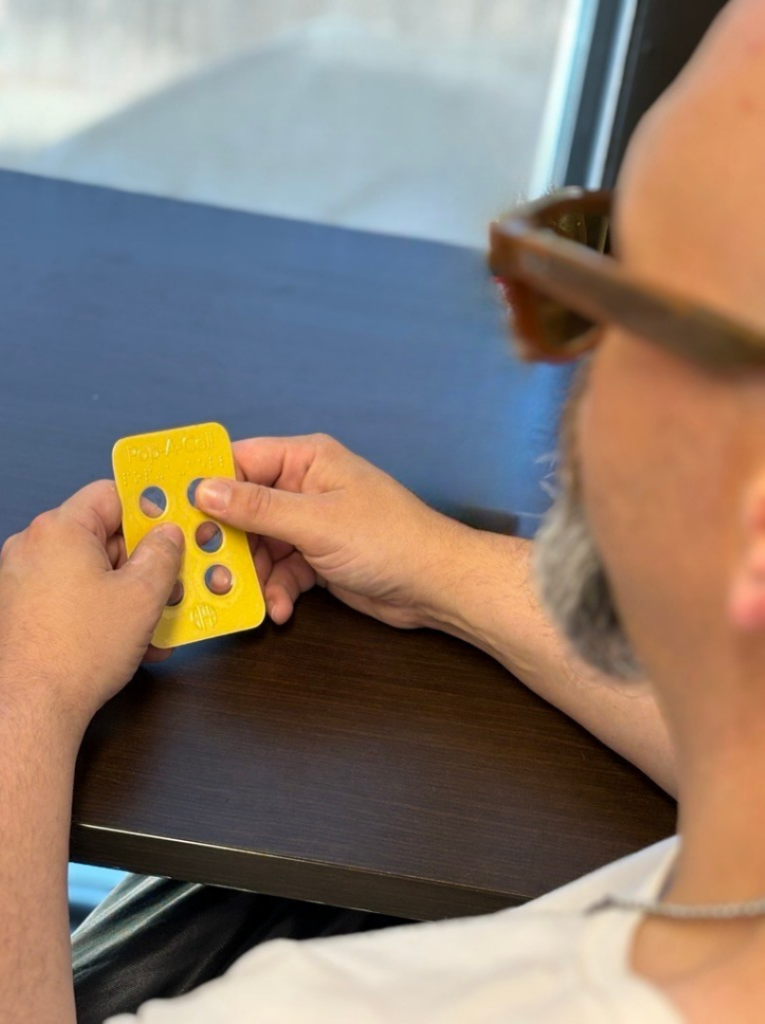
- Slate and stylus: The most basic braille-writing tool, similar in spirit to pen and paper. Braille is written by hand, one dot at a time, by pressing a stylus into paper held in a slate.
- Braillewriters: Mechanical devices, such as the Perkins Brailler, that work like a typewriter for braille — pressing keys embosses dots directly onto paper.
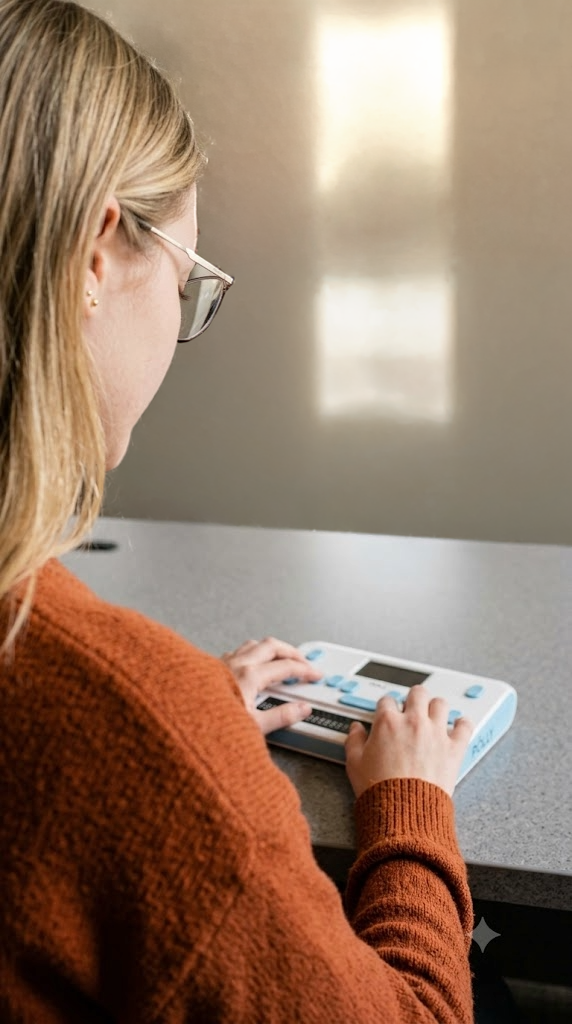
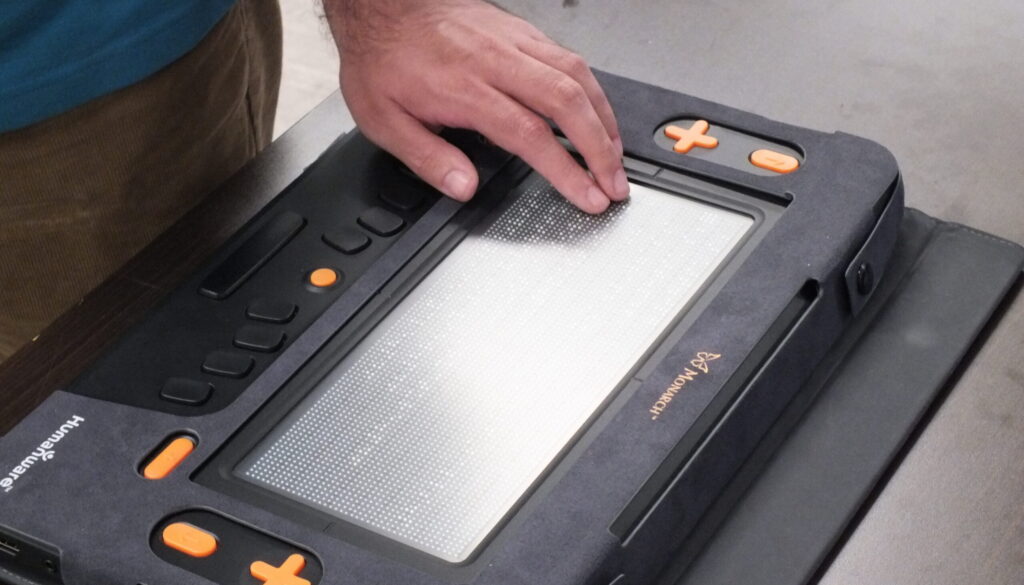
- Refreshable braille displays: Electronic devices that connect to computers, tablets, or phones and translate on-screen text into raised dots on a display in real time, using small pins that rise and fall.
- Braille embossers: Printers that emboss braille onto paper, often used to produce braille documents, menus, or books in bulk.
- Braille note-takers: Portable devices that combine a braille keyboard with note-taking, calendar, and file management features, often used by students and professionals.
- Apps and software: Braille translation software and apps that convert digital text to braille formatting, along with screen readers that can be paired with refreshable displays.
Braille Books: Then and Now
Braille books have always required more physical space than their printed counterparts — a single braille volume can be several times the size of a standard print book. Historically, this meant braille libraries needed significant storage space, and producing new titles was slow and expensive.
Today, braille book access looks different:
- The National Library Service (NLS) provides free braille and audio books to eligible patrons in the U.S., mailed directly or accessed digitally through their BARD (Braille and Audio Reading Download) platform.
- Digital braille files can now be downloaded and read on refreshable braille displays, dramatically reducing the physical space needed and speeding up access to new titles.
- On-demand embossing allows individual documents, worksheets, or short books to be printed in braille as needed, rather than relying solely on centralized production.
Despite these advances, braille books remain in shorter supply than their print equivalents, and expanding access continues to be an important goal for organizations serving the blind and low vision community.
A Skill Worth Investing In
Braille has evolved dramatically since Louis Braille first refined his 6-dot system as a teenager, but its core purpose hasn’t changed: giving people who are blind or have low vision a direct, independent way to read and write. Nearly 200 years later, it remains a foundational literacy tool — one that technology has supplemented but never replaced.
NewView Oklahoma offers braille instruction for adults, including through our Adult Braille Instruction Track, helping Oklahomans build the literacy skills that support independence at home, school, and work.