General Eye Exams vs. Low Vision Exams: Key Differences
What are general Eye exams?
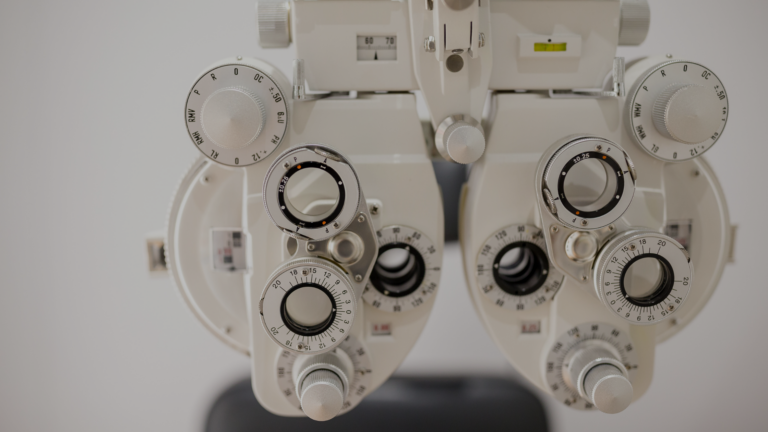
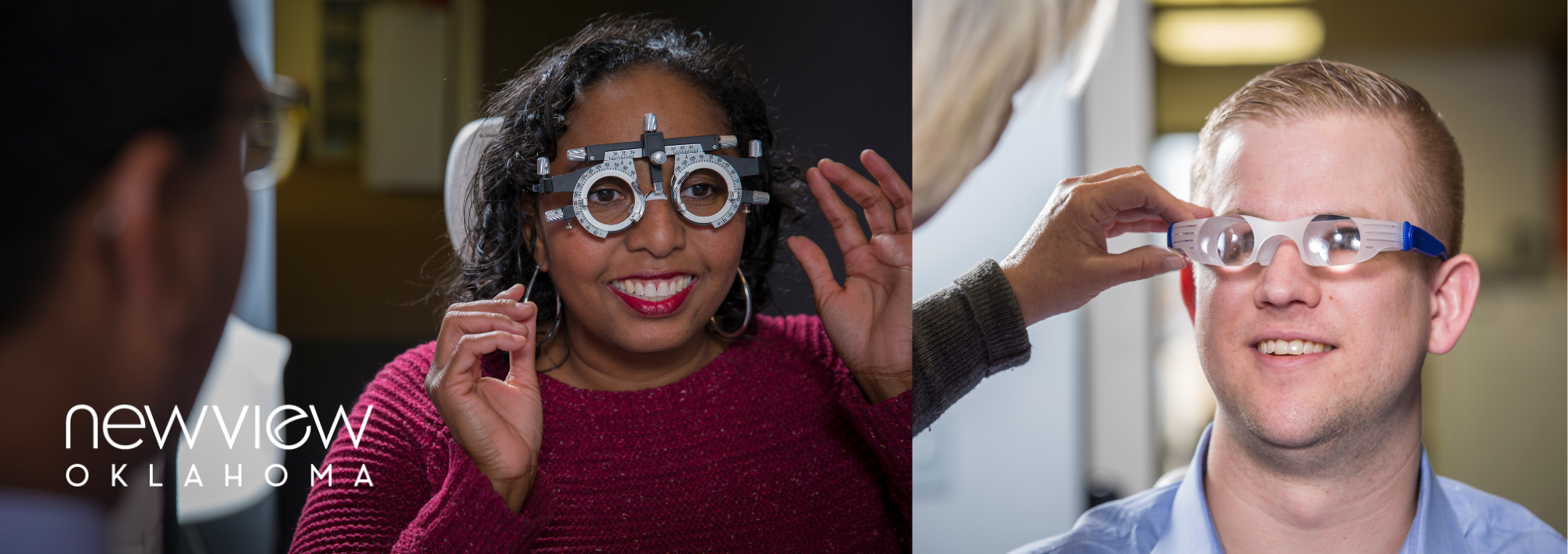
A general eye exam is a thourough check of your eyes, eyesight, and vision conducted by an optometrist or opthalmologist. I t measures visual acuity, refractive status (near/farsightedness or astigmatism), and overall eye health — including how the eyes focus, move together, and react to light. Pupils are often dilated for a more complete internal view.
How often should you get one?
The American Academy of Ophthalmology recommends that healthy adults with good vision get an exam once in their 20s, twice in their 30s, and a comprehensive exam with disease screening at age 40. Children should be screened early, as many vision problems are treatable when caught young. Adults with vision changes, health conditions like diabetes, or a family history of eye disease should see their doctor more frequently for a personalized plan.
Early detection matters — the CDC reports that 90% of diabetes-related blindness in US adults is preventable with proper monitoring.
what is a low vision eye exam?
Low vision is a significant visual impairment that cannot be corrected with glasses, contacts, or surgery. Nearly 8.7 million adults in the US are affected. A low vision exam is conducted by a specially trained Low Vision Specialist and goes beyond standard testing to assess how vision loss is affecting daily life. It may include evaluation of color vision, depth perception, light sensitivity, and peripheral vision, with recommendations for low-vision aids and adaptive strategies.
Vision rehabilitation
For those living with blindness or low vision, vision rehabilitation programs can be life changing. A low vision exam helps professionals build a personalized plan to improve safety, confidence, and independence. Your eye doctor or a vision rehabilitation agency can provide a referral to a local specialist.
Are you or a loved one suffering from vision loss?
Fill out the form below and someone will be in touch.